
Crawl Space Repair and Encapsulation in Frisco, TX
Frisco Superior Foundation Repair offers professional crawl space repair and encapsulation in Frisco, TX for pier and beam homes. We install 12-mil reinforced polyethylene liners with a 20-mil upgrade, seal vents and access doors, add dehumidifiers that hold the space under 60 percent relative humidity, and replace rotted sills, joists and subfloor. A typical 1,200 to 2,000 square foot crawl space runs $5,500 to $12,500 to encapsulate.
A damp crawl space is hard on everything above it. Wood framing rots, steel shims rust, insulation sags and the musty smell comes up through the floor vents. Encapsulation keeps ground moisture out and makes the space dry enough that the framing, the piers and the shims last.
Get a FREE Estimate
Or call (469) 536-0217
Crawl Space Repair Services
Most jobs combine the liner with a few repairs. We do the structural work first so nothing has to be cut out of a new liner.
Crawl Space Encapsulation
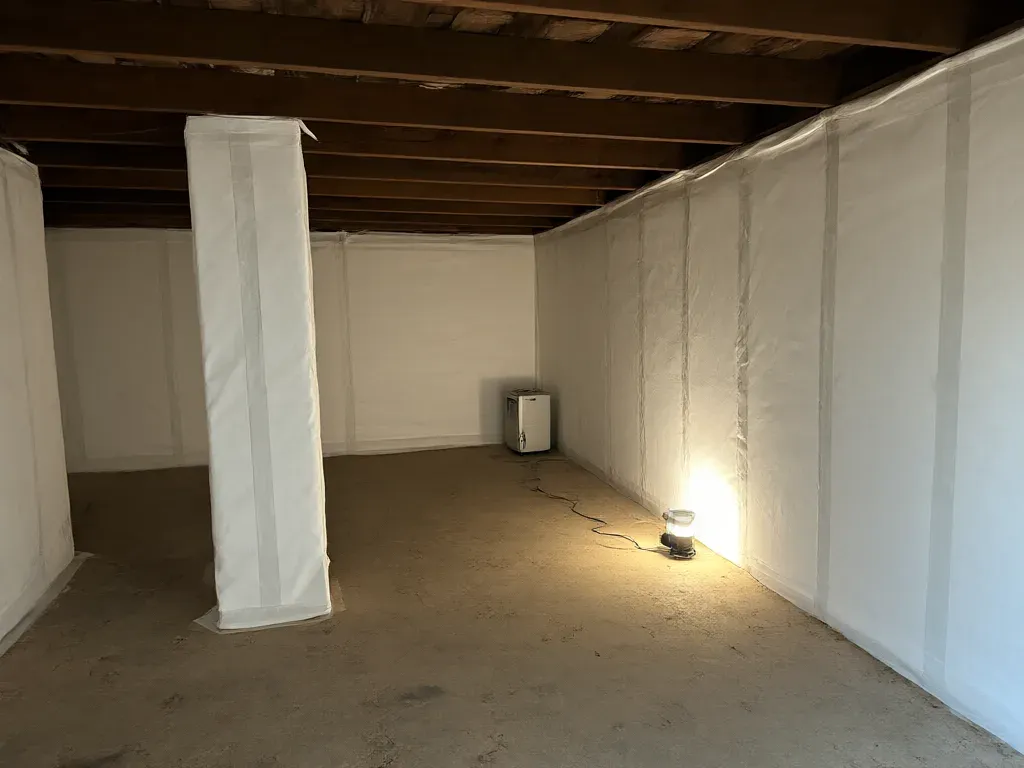
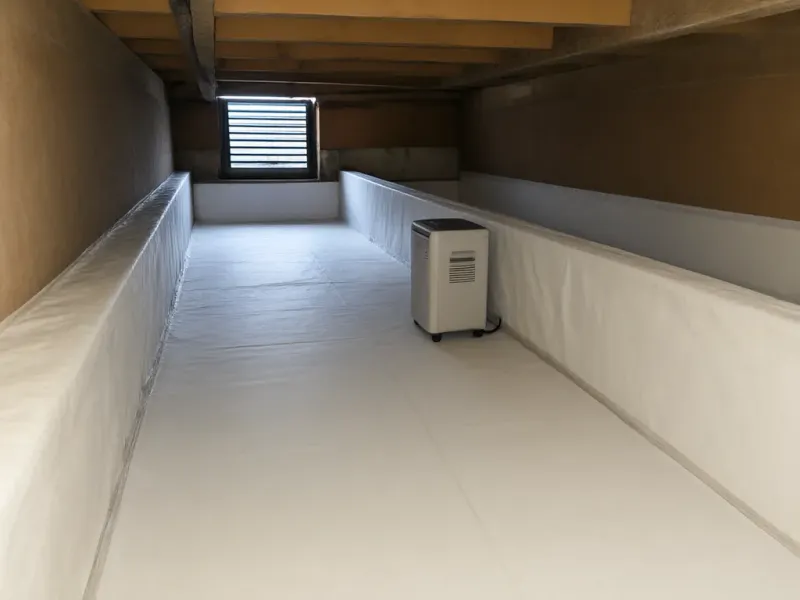
A reinforced liner over the whole floor, run up the stem walls and wrapped around every pier, with seams overlapped and taped. Vents and the access door get sealed, and a dehumidifier keeps the air dry. Typical crawl spaces run $5,500 to $12,500, with a 10-year workmanship warranty on the seams.
Crawl Space Vapor Barrier Installation
If full encapsulation isn't in the budget, a ground liner alone stops a lot of the moisture coming up from the dirt. We still use reinforced 12-mil material, overlap the seams and run it up the walls, so it can be turned into a full encapsulation later.
Crawl Space Dehumidifiers
Once the space is sealed, a dehumidifier made for crawl spaces holds the humidity under 60 percent. We size it to the space, drain it to the outside or a pump, and set it where you can reach it for filter changes.
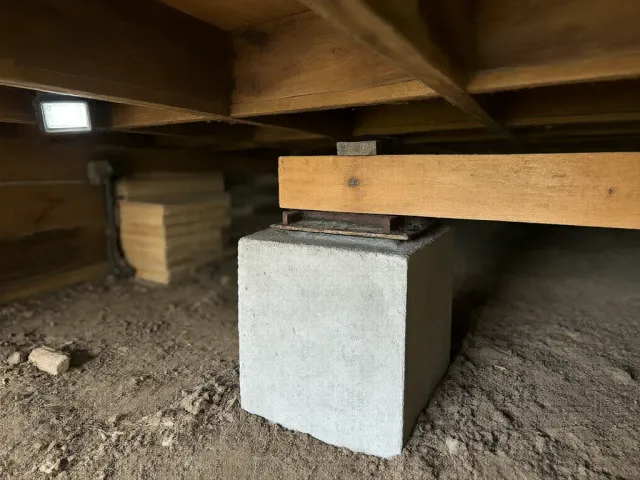
Wood Rot, Sill and Joist Repair
Soft sills along the perimeter, joists rotted under a bathroom, and subfloor that's given way around a toilet all get cut out and replaced or sistered before the liner goes in. Sill and joist work runs $35 to $65 per linear foot.
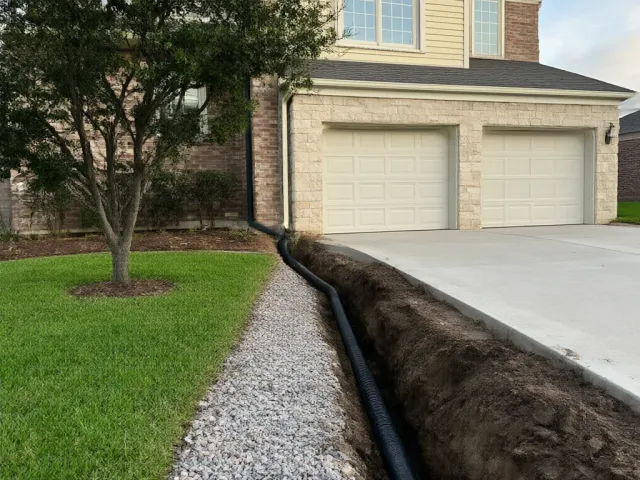
Crawl Space Drainage and Grading
Water standing in a crawl space after rain usually comes from outside. We fix the grade and downspouts first, then add a perimeter drain or a sump inside if the space still collects water. A liner over standing water just hides the problem.
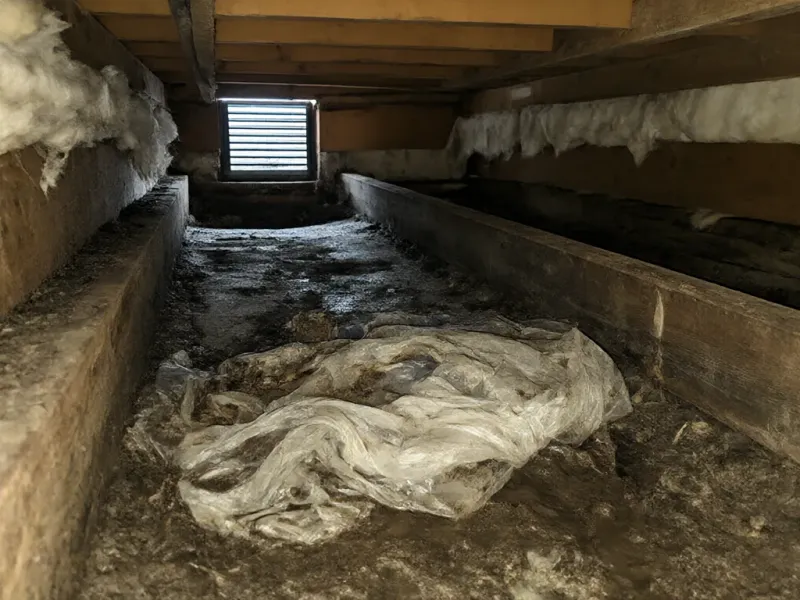
Before and After
Signs Your Crawl Space Needs Work
Your nose usually knows first. A musty, earthy smell coming up through the floor vents or the closets on a humid day means moisture under the house. So do floors that feel soft or cold, cupping in wood flooring, and insulation hanging down from between the joists.
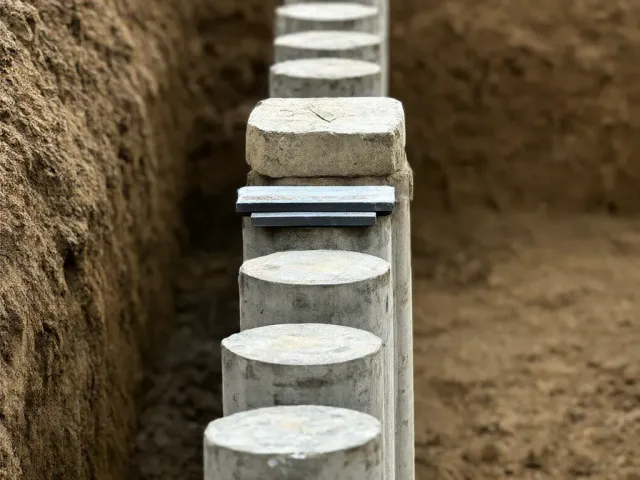
Under the house, look for standing water after rain, white or green growth on the joists, rusted shims and nails, and sills that a screwdriver sinks into. Old cedar posts, stacked brick and wood shims are a sign the house hasn't had real pier work in a long time.
Pests are the other clue. Crawl spaces that stay damp draw termites, roaches and rodents. Sealing and drying the space doesn't replace pest control, but it takes away the conditions that keep them coming back.
Why Crawl Spaces Get Damp Here
Bare dirt gives off moisture all the time, even when it looks dry. Hot, humid summer air coming in through open vents hits the cooler ground and framing and condenses. Add a downspout emptying beside the skirting or a yard that slopes toward the house, and the crawl space stays wet most of the year.
The code also lets you see where trouble starts. Wood joists closer than 18 inches to the dirt, or girders closer than 12 inches, should be treated lumber. On a lot of older houses they aren't, and those low spots are where we find rot first.
What Crawl Space Encapsulation Includes
We start under the house. Every pier, shim, girder, joist and sill gets checked, and anything rotted or failing gets fixed first. Old wood shims come out and steel shims go in. Debris, old insulation that's fallen and anything that'll puncture the liner gets cleared out.
Then the liner: 12-mil reinforced polyethylene as standard, or 20-mil if you'll store things down there or crawl it often. It covers the floor, runs up the stem walls and wraps each pier, with every seam overlapped and taped. Vents get sealed and the access door gets a sealed, insulated cover.
Last, the dehumidifier, sized to the space and set to hold it under 60 percent relative humidity. You get a 10-year workmanship warranty on the liner seams and attachments.
Access Matters
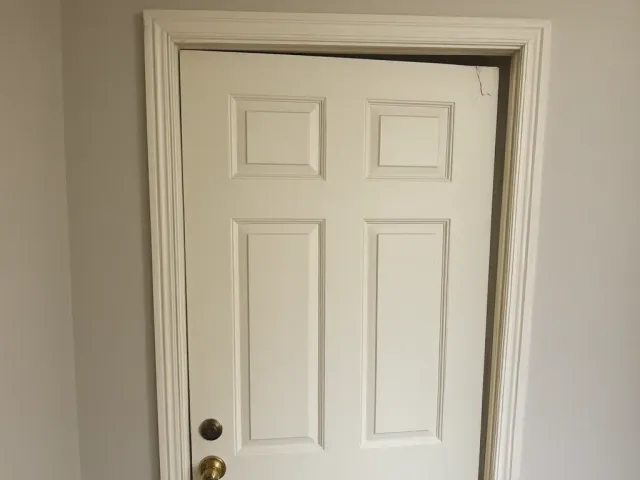
The code calls for a crawl space access opening of at least 18 by 24 inches. Some older houses have smaller openings, or none that's usable. If we need to enlarge the access to work safely and get material in, we'll tell you at the inspection and price it.
Encapsulation vs a Vapor Barrier Alone
A vapor barrier on the ground handles moisture coming up from the dirt. It doesn't stop humid outside air from coming in through the vents in summer, which is often half the problem. Full encapsulation handles both.
If budget is tight, start with the liner and fix any standing water. You'll notice a difference in the smell and the floor. Sealing the vents and adding the dehumidifier later is straightforward when the liner is done right the first time.
One thing we won't do is lay a liner over a crawl space with failing piers or rotted sills. Once the liner is down, every repair means cutting it and taping a patch. So the inspection covers the structure and the moisture together, and the estimate lists the repairs first, the liner second and the dehumidifier last. You can stop at any line and the work you've paid for still does its job.
Encapsulation also pairs well with a re-shim. Steel shims on a dry, sealed pier stay put far longer than shims sitting in damp air, and the free re-shim visit within 24 months is easier for us and for you when the crawl space is clean and lined.
Have Us Check Your Crawl Space
Call (469) 536-0217 for a free crawl space inspection. We'll check the piers and framing, measure the space and write an encapsulation price the same day.